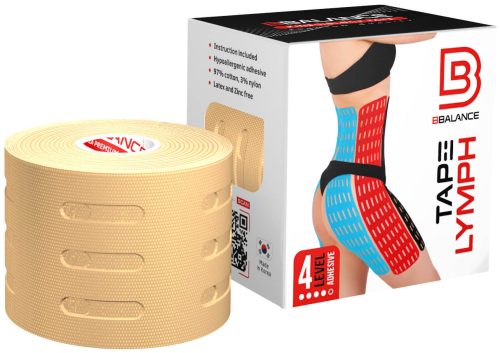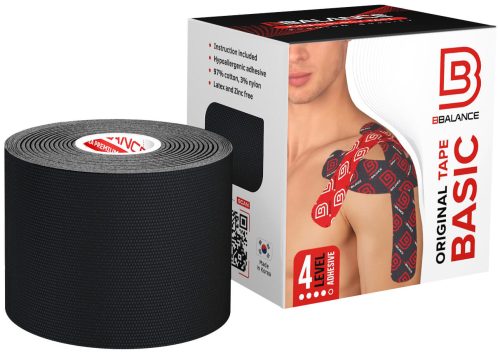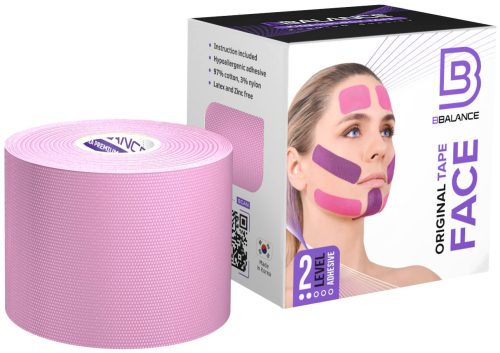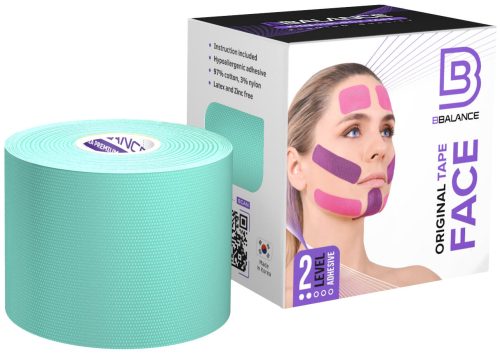
Kenzo Kase, a Japanese-American chiropractor, developed the product in the 1970s. The company he founded markets variants under the brand name “Kinesio” and takes legal action to prevent the word being used as a genericized trademark.
A surge in popularity resulted after the product was donated to Olympic athletes in the 2008 Beijing Summer Olympics and 2012 London Summer Olympics. The tapes prominence and mass introduction to the general public have been attributed to Kerri Walsh who wore the tape on her shoulder, and who along with Misty May-Treanor dominated the 2008 beach volleyball event. In 2012, science journalist Brian Dunning speculated on why he had not seen “a single athlete, pro beach volleyball players included, wear Kinesio Tape outside of the Olympics”. He believes that “sponsorship dollars may be entirely responsible for the popularity of Kinesio Tape during tv events.
The product is a type of thin, elastic cotton tape that can stretch up to 140% of its original length. As a result, if the tape is applied stretched greater than its normal length, it will “recoil” after being applied and therefore create a pulling force on the skin. This elastic property allows much greater range of motion compared to traditional white athletic tape and can also be left on for long periods before reapplication.
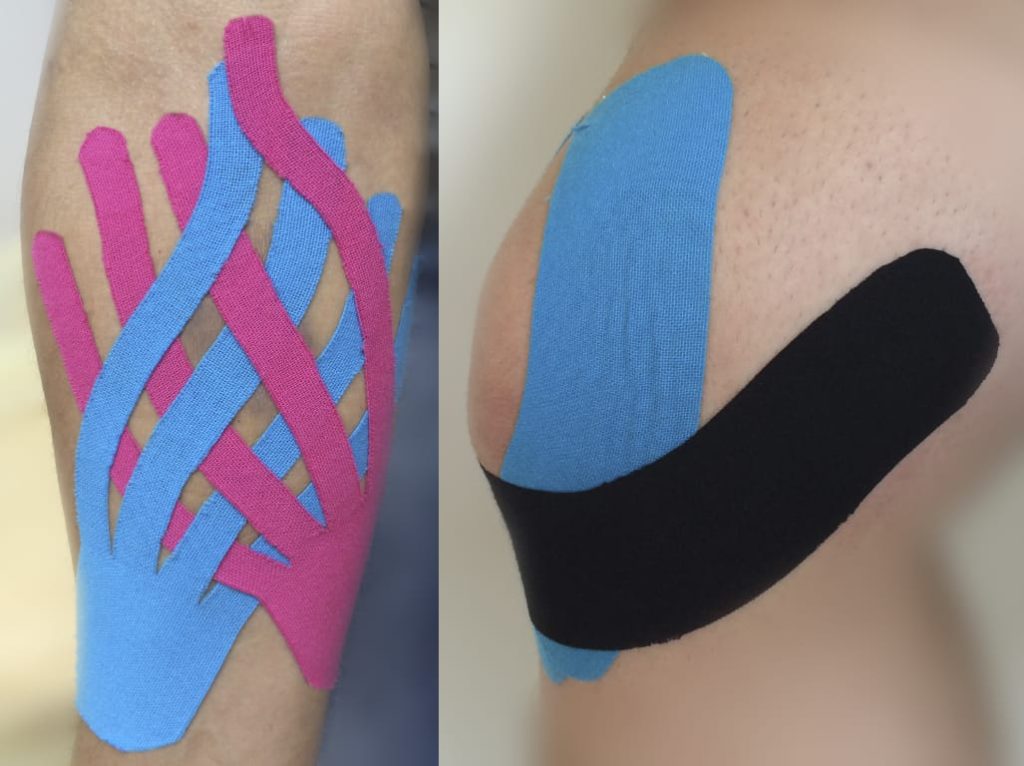
Designed to mimic human skin, with roughly the same thickness and elastic properties, the tape can be stretched 30–40% longitudinally. It is a latex-free material with acrylic adhesive, which is heat activated. The cotton fibers allow for evaporation and quicker drying leading to longer wear time, up to 4-5 days. How the tape is claimed to affect the body is dependent on the location and how it is applied, the stretch direction, the shape, and the location all supposedly play a role in the tapes hypothetical function.
| Face and body taping |  |
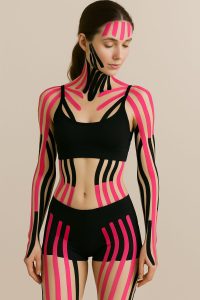
BBTape products are used in medicine, cosmetology, and sports. The therapeutic effect of tapes is to relieve swelling and severe pain by reducing inflammation in the affected area. This is effective help for children and adults with household or other injuries both at home and in medical centres. As a cosmetic product, patches are often used to maintain beauty and youth. This is an excellent alternative to cosmetic creams, massage rollers, and other products that improve blood flow, tissue nutrition, and stimulate other internal processes necessary for rejuvenation of the face, neck, and other areas of the body. Athletes apply tapes under conditions of increased physical activity to reduce the risk of injury and to restore health after strains and other sports injuries caused by excessive activity. Standard tape stretches, so it does not limit the range of motion and does not cause discomfort. Unlike non-sterile elastic fixing bandage, such a patch is invisible under clothing and can be used to prevent ankle injuries without interfering with wearing shoes. Tape is also used in winter sports to protect the skin from frostbite. The patch is applied to cover the face from cold air. The patches do not contain medical or disinfectant additives, so the tapes are safe to use and do not cause allergic reactions associated with the pharmacological effects of any drugs.